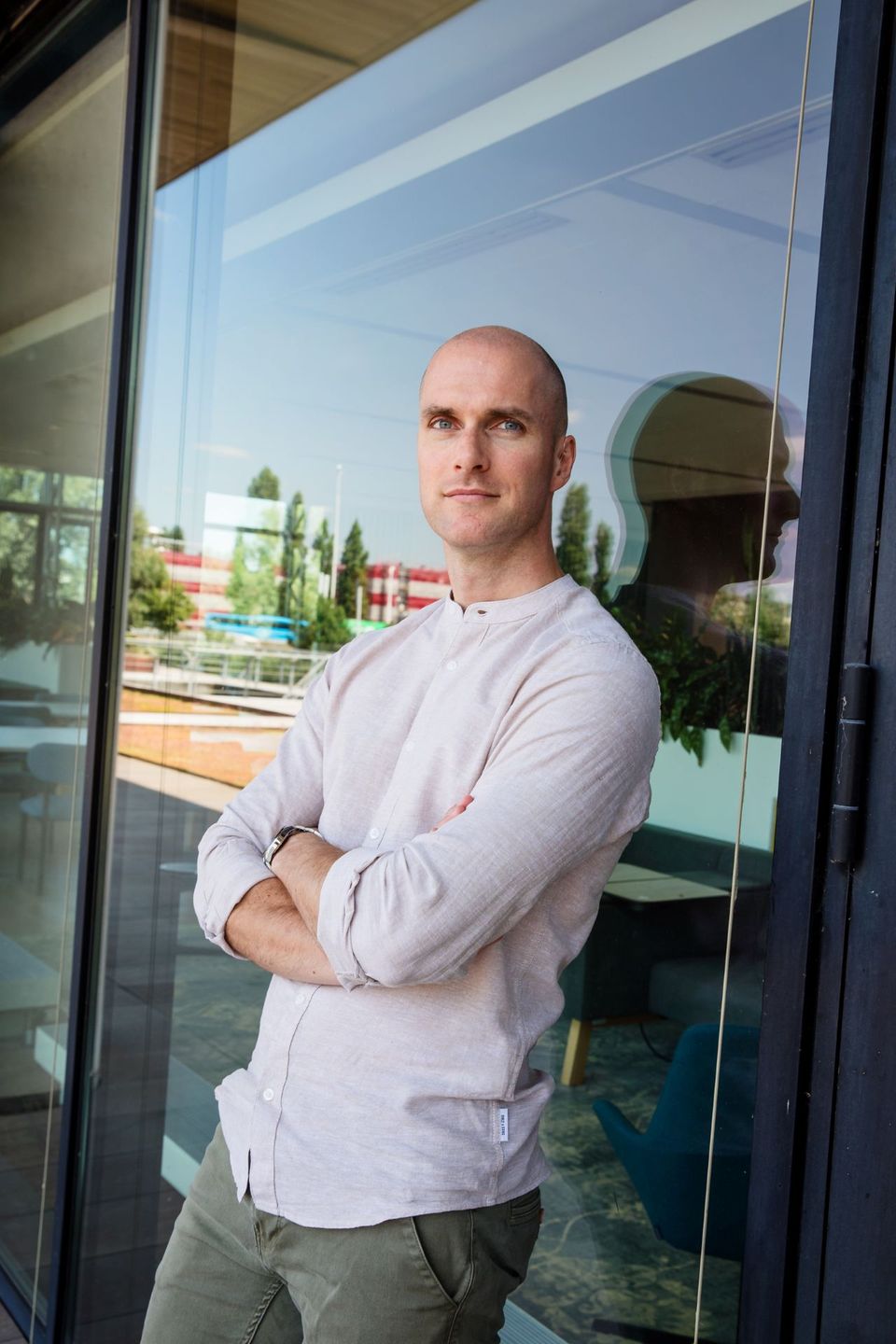
‘The work here is clearly more international’
When Lian van der Merwe moved to Maastricht with his family from South Africa in 2022, he knew next to nothing about Limburg. They had previously visited Amsterdam, Rotterdam and Utrecht, but this region was completely new to them. Yet, during their very first visit, they immediately felt as though they had ended up exactly in the right place.
Internal vacancy
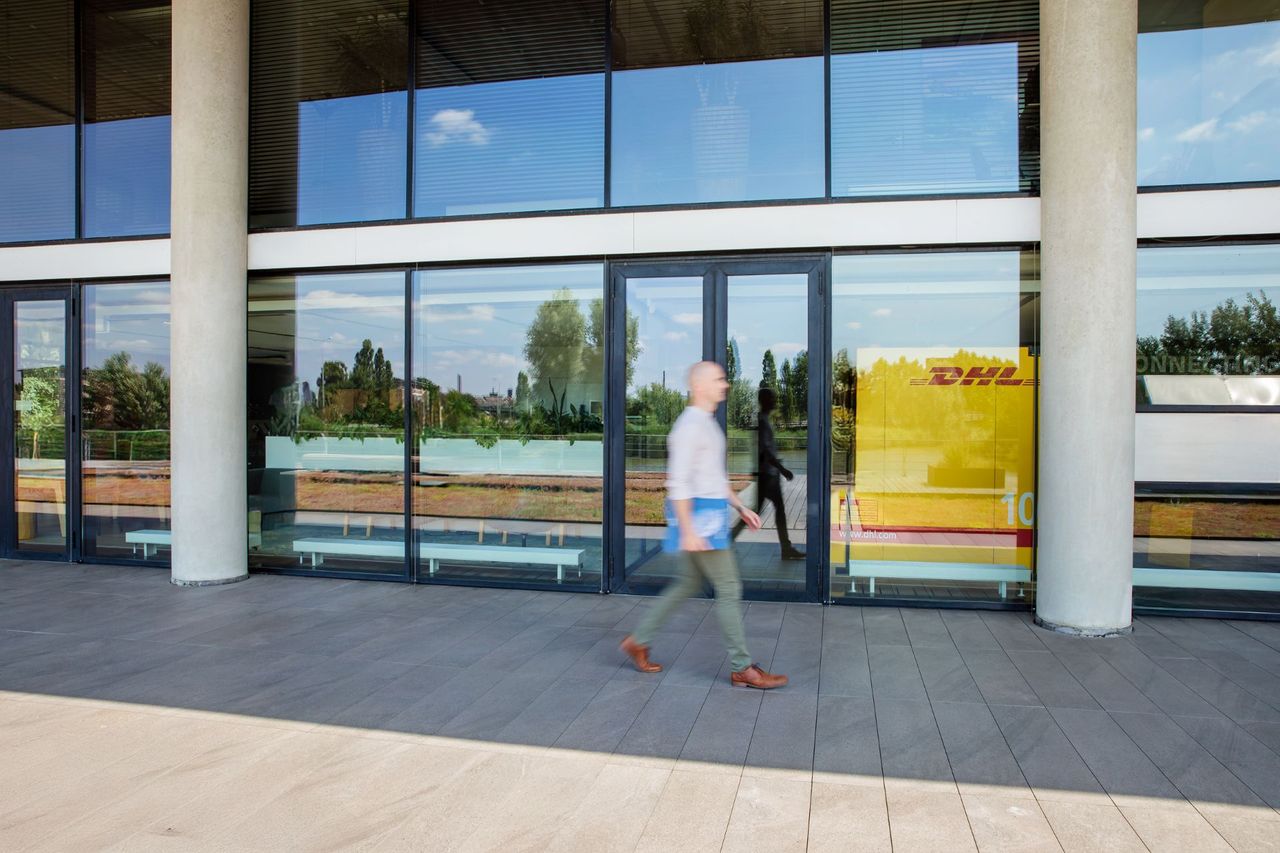
“My move to the Netherlands was due to an internal vacancy at DHL, the company where I still work. In South Africa, I was an HR business partner; here, I work as a global HR specialist. My responsibilities are different – not better or worse – but in Maastricht the work is clearly more international. Every day I work with colleagues from all sorts of countries and cultures, sometimes even spread across three or four continents in a single day. That makes it both dynamic and educational.”
Peace and nature
“We’d never been to Limburg before, but we were given the chance to visit the region once before I started my new job. What’s more, my wife’s sister lives in Brussels and Maastricht is close to DHL’s head office in Bonn (Germany). So it seemed like a central and logical place for us. A DHL relocation agent helped us find a flat to rent. Unfortunately, we couldn’t stay there for more than two years, so we decided to look for a property to buy. We went through the standard process, just like everyone else. It was challenging at first, but once we understood how everything worked, it all fell into place.
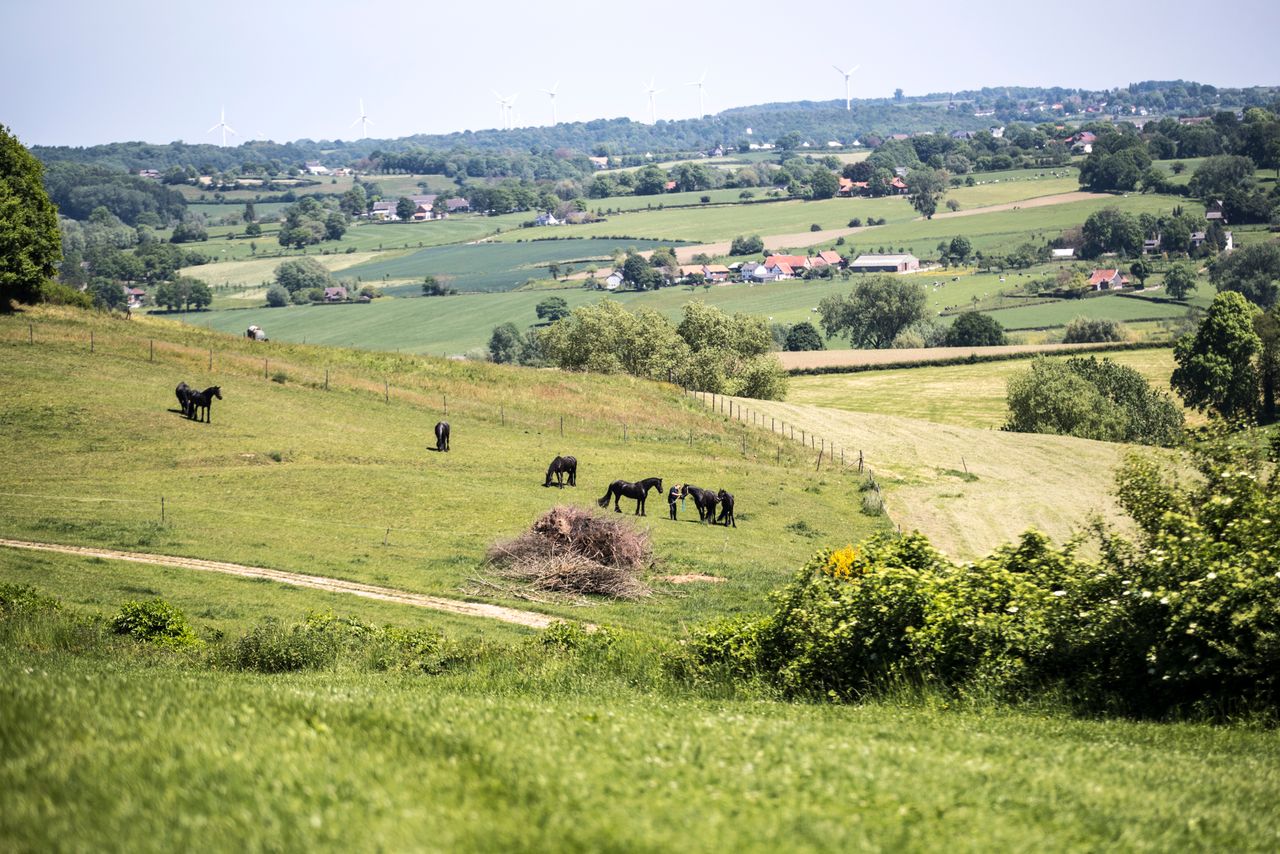
We deliberately chose a village ten kilometres north of Maastricht. The peace and quiet, nature and space suit us perfectly. The city is close by and my cycle journey to work is minimal. That was very different in South Africa, where I used to sit in traffic every day. Life here feels serene, safe and relaxed. Our children, who were born in South Africa, are really thriving. They have freedom, self-confidence and an environment that encourages them to explore.”
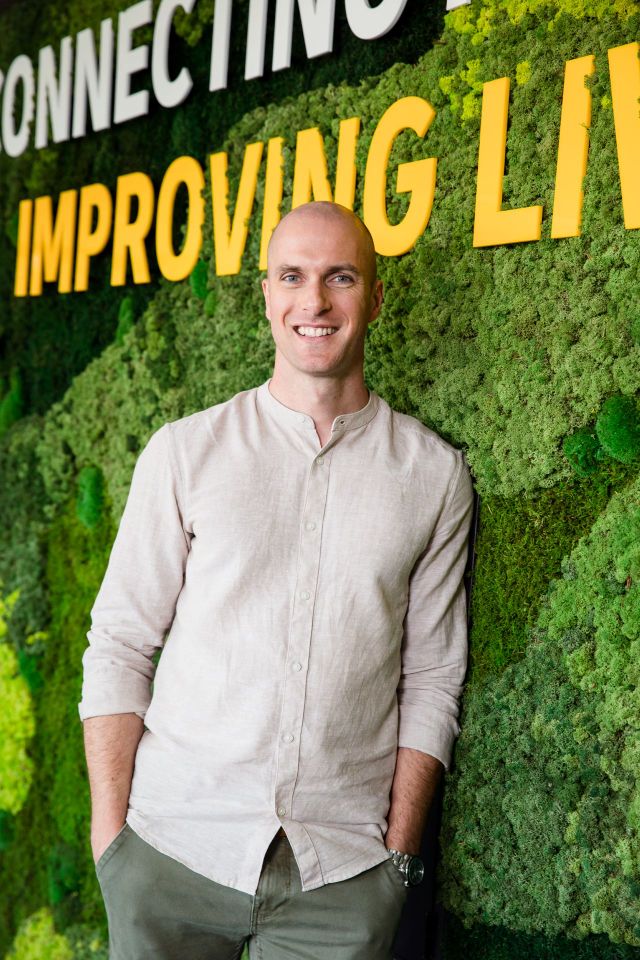
‘Building new circles of friends came very naturally to us, through our hobbies and interests.’
Social contacts
“Building social connections was very important to us, and it actually happened quite naturally. I love cycling and joined various groups. My wife plays netball and became a member of the local club. She’s even been selected for the national team now! We love cheering her on at matches all over the country and meet new people everywhere we go. We’ve built up a mixed circle of friends comprising expats, South Africans and Dutch people. It’s great fun and really helps us feel at home.”
Practical challenges
“Of course, there were practical challenges too. Healthcare, for example, is organised very differently here. You really need a serious medical reason before you can receive treatment. But I must say, when that’s the case, the care is excellent. We experienced that for ourselves recently. The tax system is also very different, with substantial taxes on far more things than we’re used to. But ultimately, it’s simply part of the system, and you usually see that the taxes are actually put to good use.”
Dutch language
“What I’d like to say to people considering moving here is: make an effort to learn the language, even if it’s just a little. In the centre of Maastricht, many people speak English, but outside the city and in everyday life, a knowledge of Dutch is essential. It improves your quality of life, your relationships with neighbours and your sense of belonging. I’m lucky that many words in Afrikaans are similar to Dutch, although the sentence structure is often different. I now understand the language well, but I’m not yet fluent. My eldest child already speaks Dutch better than I do, so I’ve got to keep up."
Work-life balance
“Maastricht Region offers a fantastic work-life balance, especially if you live outside the city. People really do take the time to relax outside of work. For us, this region now feels like home. The combination of tranquillity, nature and a welcoming (international) community suits us perfectly. And if you love cycling as much as I do, this is the ideal place to live!”